
Upselling and Cross-Selling: understand the difference and boost your sales
Meta Description: Discover the differences between upselling and cross-selling and learn how to use them effectively to increase your sales. In the realm of digital marketing and e-commerce, two essential strategies for boosting your Average Order Value (AOV), revenues, and enhancing the customer experience are upselling and cross-selling. Though often confused, these techniques serve distinct purposes and can be used together to maximize sales. In this article, we’ll delve into what they are, why they matter, and their main differences.
What is Upselling?
Upselling is a sales technique that encourages customers to purchase a more expensive or enhanced version of the product they initially intended to buy. This method offers customers the opportunity to obtain a better product for a slightly higher price. For instance, an e-commerce user selecting a pair of shoes might receive a suggestion for a customizable version, allowing them to choose colors, materials, and add their initials. Such upselling not only provides a more personalized shopping experience, enhancing the user experience and perceived value, but also increases the revenue for the business.
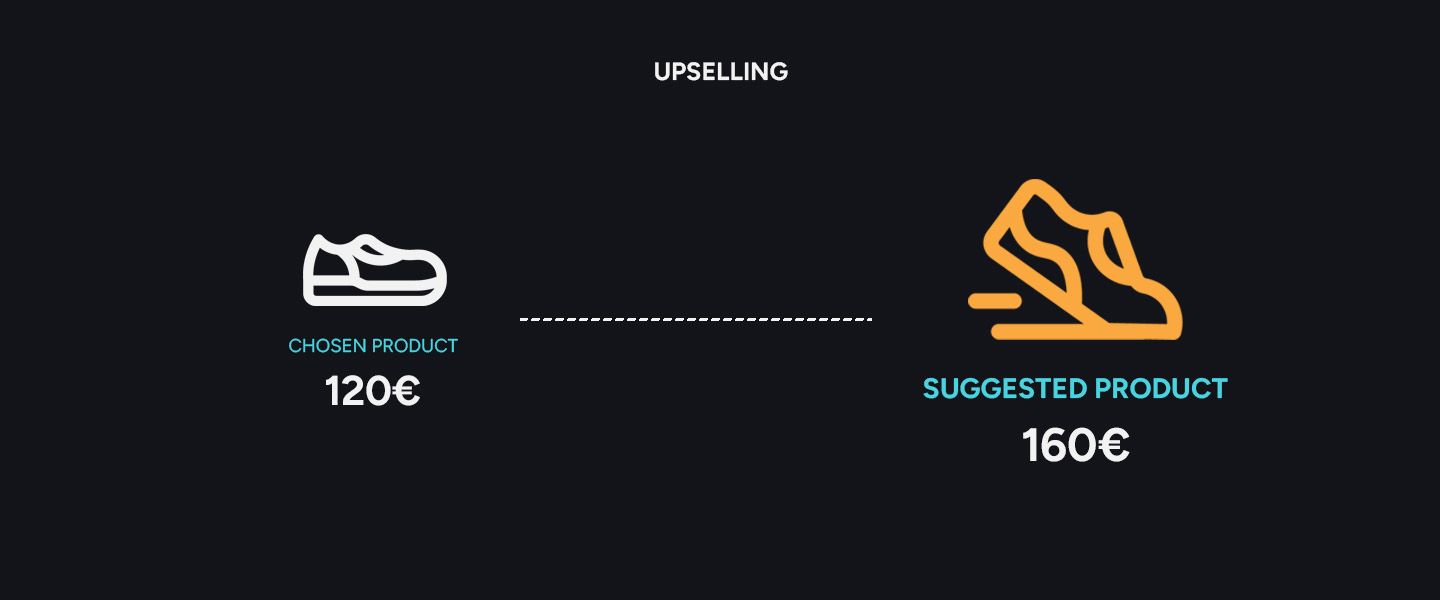
What is Cross-Selling?
Cross-selling, on the other hand, is a strategy that encourages customers to purchase complementary or related products. This technique suggests additional items that the customer might find useful in relation to their initial purchase. It’s beneficial for both the customer and the seller. The customer discovers products that enhance the use of the main product, while the seller increases the overall order value and promotes the sale of additional items. For example, for a customer buying running shoes, you could suggest complementary items like technical socks and insoles that perfectly match the shoes. This helps the customer complete their look with items they hadn’t initially considered.
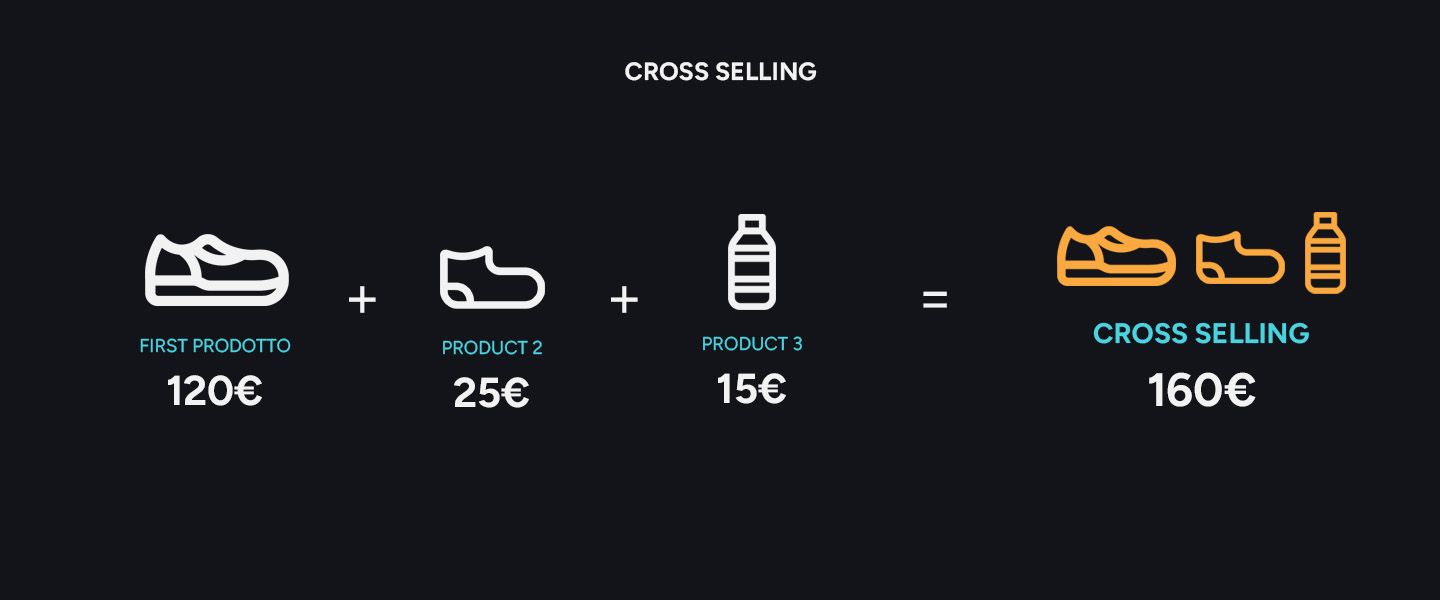
The main difference between upselling and cross-selling lies in the approach and goal of the strategy:
- Upselling aims to sell a better or more expensive version of the product the customer intended to buy.
- Cross-selling suggests additional products that complement the original purchase.
How to Identify the Right Products for Upselling and Cross-Selling
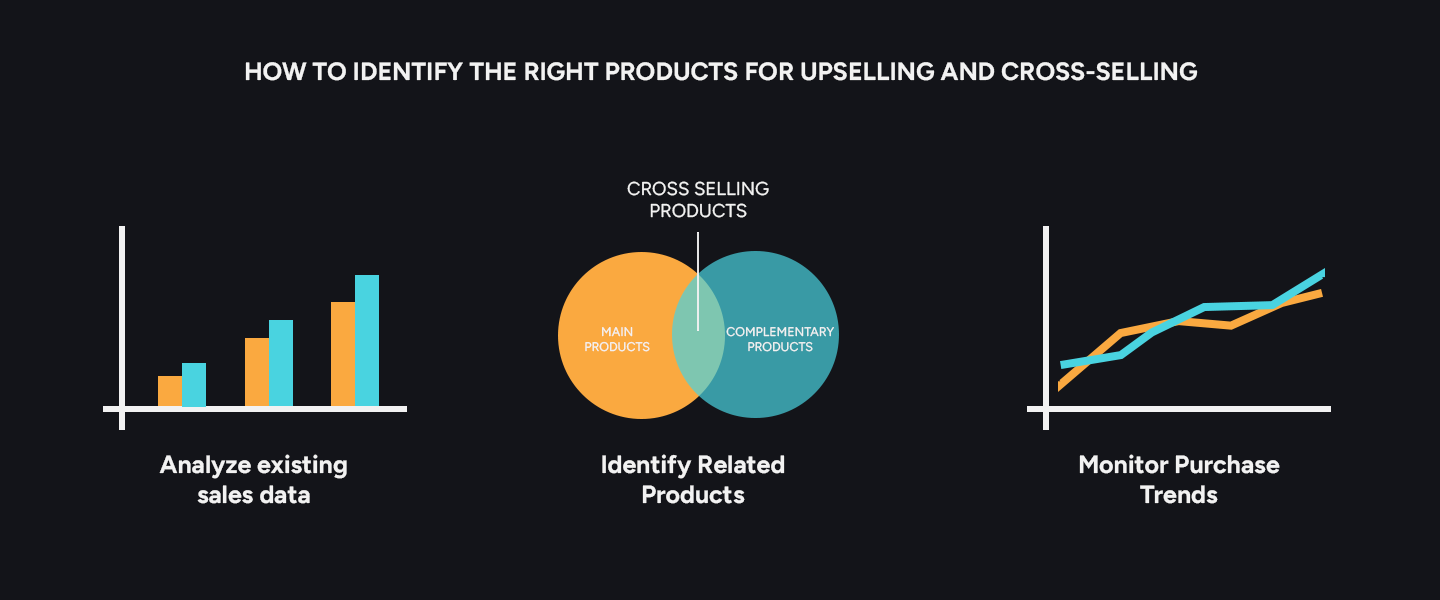
To find the right products for upselling and cross-selling, it's crucial to analyze existing sales data. Studying customer purchase patterns can reveal which products are frequently bought together and which product upgrades are most often chosen. Here’s how to do it:
Identify Related Products
Always use sales data to discover which products are commonly purchased together. For instance, you might notice that customers who buy a ski jacket often also purchase technical gloves. This information can be used to offer relevant cross-selling suggestions.
Monitor Purchase Trends
Analyze purchase trends to understand which premium product versions are more popular. If customers show a preference for certain features, such as durable materials or advanced functionalities, this information can guide your upselling offers.
Setting the Right Pricing
Pricing plays a crucial role in the effectiveness of upselling and cross-selling strategies. It’s not just about setting the sales price, but finding the right balance between perceived customer value and purchase incentive. For upselling, the price must clearly reflect the added value of the improved product compared to the base version. For cross-selling, the pricing should encourage the purchase of additional products without being overly burdensome. Here are some tips for strategic pricing:
Price Differentiation
Ensure the upsell product is sufficiently different and valuable compared to the original. For example, if a customer is buying a basic jacket for $80, you might propose a model with a hood and windproof technology for $120. The price difference should be justified by the added features.
Competitive Pricing for Related Products
For cross-selling, additional products must be competitively priced to encourage the purchase without making the offer seem too expensive. For example, if suggesting technical socks with running shoes, ensure the socks are reasonably priced relative to their perceived value and cheaper than the main product.
Create Bundles
Consider offering discounts on product bundles to encourage the purchase of multiple items. Bundles work great if implemented correctly. For instance, offer a 10% discount on a sports kit that includes a t-shirt, shorts, and socks if bought together.
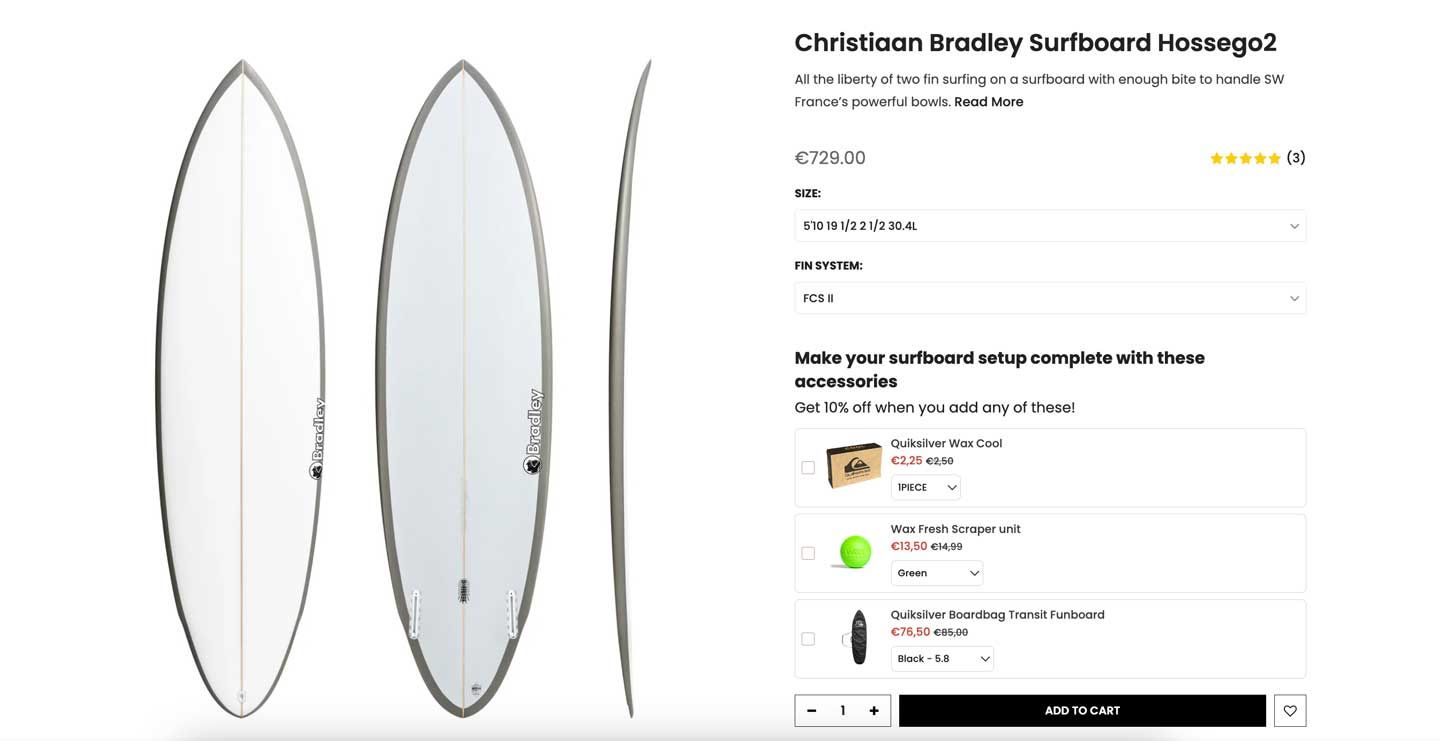
How to Implement Them Effectively
Personalize Offers Based on User History
Use customer data to personalize upselling and cross-selling offers. For example, if a customer has previously purchased running gear, suggest related products like running accessories or cross-training apparel.
Test and Optimize
Experiment with different strategies and monitor the results to understand which product combinations and offers work best. Use A/B testing to evaluate the effectiveness of your campaigns and continuously improve based on data.
Ease of Adding to Cart
Make the process of adding upsell and cross-sell products to the cart as seamless as possible. Use intuitive pop-ups and AI-based recommendations to suggest complementary products without interrupting the customer’s shopping experience.
Clear Communication
Ensure the customer understands the benefits of upgrading or adding related products. Highlight the features and advantages clearly, and provide reviews or testimonials to increase the offer’s credibility.
Upselling and cross-selling are effective strategies to increase sales and improve customer experience. When used correctly, they can lead to more satisfied customers and a significant revenue increase. However, it’s important to use these tactics discreetly and relevantly to avoid annoying customers. Before implementing these strategies, make a list of products and combinations that can be targeted for upselling and cross-selling. Conducting tests and evaluating results can help you optimize techniques and improve sales effectiveness. Lastly, ensure the checkout process is simple and quick, as any errors or difficulties during checkout can reduce conversion rates and create friction. Remember to include reliable and tested payment methods to guarantee a good User Experience. For further insights on this topic, contact us, and we’ll be happy to discuss it with you.